


Hey there! As a density board supplier, I'm super stoked to chat with you about the different types of density boards based on density. Density boards are pretty awesome and have a ton of uses, from furniture making to construction. So, let's dive right in!
First off, we've got low - density boards. These bad boys are made with a relatively loose arrangement of wood fibers or particles. Because of this, they're light in weight. Low - density boards are great for applications where weight is a major concern. For example, if you're building a temporary display stand for a trade show, low - density boards are a fantastic choice. They're easy to move around and won't put too much strain on the floor or any supporting structures.
But they do have their limitations. Low - density boards aren't as strong as their higher - density counterparts. They can get damaged more easily, especially if they're subjected to heavy loads or impacts. So, you wouldn't really want to use them for things like load - bearing furniture or structural components in a building.
Next up is medium - density fiberboard (MDF), which is one of the most popular types in the market. MDF is made by breaking down hardwood or softwood residuals into wood fibers, combining them with wax and a resin binder, and then compressing them under high temperature and pressure.
MDF has a smooth surface, which makes it a dream for painting and veneering. It's also very uniform in density, so you don't have to worry about any weak spots. You can use MDF for all sorts of furniture, like cabinets, bookshelves, and tables. It can even be used in interior paneling to give a room a nice, finished look.
If you're interested in non - standard size MDF boards for some unique projects, you can check out Non Standard Size MDF Board. These boards can be tailored to fit your specific needs, whether you're working on a custom - designed piece or a special architectural project.
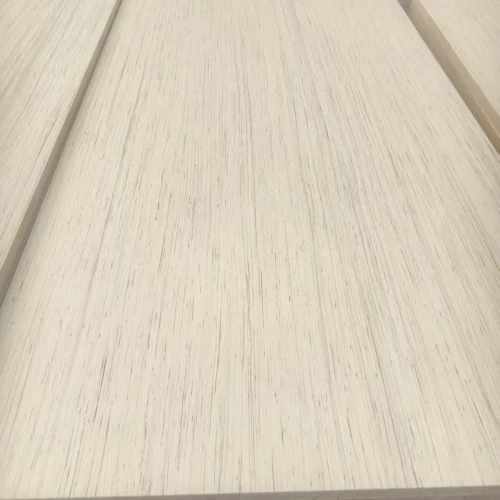

Another type of MDF worth mentioning is the three - layer composite MDF board. This board consists of three layers with different densities. The outer layers usually have a higher density, which gives the board better strength and durability, while the middle layer has a lower density, which helps to reduce the overall weight.
The three - layer composite MDF board is great for applications where you need a balance of strength and weight. It's often used in the manufacturing of doors, as it can provide good insulation and soundproofing properties. If you want to learn more about this type of board, click on Three Layer Composite MDF Board.
Now, let's talk about high - density boards. These are the heavyweights of the density board world. High - density boards are made with a very tight compression of wood fibers or particles, which gives them excellent strength and durability.
They're commonly used in applications that require high resistance to wear and tear. For example, in the production of flooring, high - density boards can withstand a lot of foot traffic without getting damaged easily. They're also used in the manufacturing of industrial pallets, as they can support heavy loads.
However, high - density boards can be a bit more expensive and heavier than other types. You need to make sure your project can handle the extra weight and cost before choosing them.
In some cases, you might need a density board with special properties. One such example is fire - rated MDF. Fire - rated MDF is treated with fire - retardant chemicals to reduce its flammability. It's a must - have for applications in areas where fire safety is a major concern, like commercial buildings or public spaces.
The Fire Rated Mdf 18mm is a popular choice in the market. It provides an extra layer of protection while still maintaining the benefits of regular MDF, such as a smooth surface and ease of working with.
So, when it comes to choosing the right density board for your project, there are several factors to consider. First, think about the strength requirements. If you need a board that can support heavy loads, high - density or medium - density boards are your best bet. If weight is a concern, low - density boards might be more suitable.
The intended use of the board is also crucial. If you're making furniture that will be painted, MDF is a great choice because of its smooth surface. For outdoor or high - moisture applications, you might need to choose a board that's more resistant to water.
Budget is another important consideration. High - density and fire - rated boards are generally more expensive than low - density or regular MDF boards. You need to find a balance between cost and performance.
If you're still not sure which type of density board is right for you, don't hesitate to reach out. As a density board supplier, I've got years of experience in this field and can help you make the best decision for your project. Whether you're a DIY enthusiast or a professional builder, I'm here to assist you.
So, if you're looking to start your next project and need high - quality density boards, let's have a chat. I can provide you with detailed information, samples, and competitive prices. Contact me for a friendly and professional consultation, and let's get your project off to a great start!
References:
- Wood - Based Panels: Production, Properties and Applications. A comprehensive guide on wood - based products including density boards.
- Building Materials Handbook: Covers various building materials including different types of density boards and their uses in construction.


