


Hey there! As a paperboard cover supplier, I'm super stoked to walk you through the manufacturing process of these handy products. Whether you're looking for a 4 Sets Paperboard Cover, 3 Sets Paperboard Cover, or 2 Sets Paperboard Cover, understanding how they're made can give you a better idea of their quality and value.
Step 1: Raw Material Selection
The first step in making paperboard covers is choosing the right raw materials. We typically use high - grade paper and cardstock. Paperboard is made from natural wood pulp, which is sourced from sustainably managed forests. This is important as it not only ensures a continuous supply but also has a lower environmental impact.
The type of wood pulp can vary. Softwood pulp gives the paperboard strength and stiffness, while hardwood pulp can improve smoothness and printability. We also use recycled paper in our mix, which is a great way to reduce waste. The recycled material goes through a de - inking and purification process before it's added to the new pulp. This blend of virgin and recycled materials helps us create a cost - effective and eco - friendly product.
Step 2: Pulping
Once the raw materials are selected, it's time for pulping. The wood chips or recycled paper are mixed with water and chemicals in a large pulping machine. The chemicals help break down the fibers and remove impurities. The mixture is then heated and stirred vigorously. This process turns the wood or paper into a thick, soupy pulp.
The consistency of the pulp is crucial. If it's too thick, the resulting paperboard will be uneven. If it's too thin, it won't have enough strength. So, we carefully monitor and adjust the pulp consistency throughout the pulping process. After the pulping is done, the pulp is screened to remove any large particles or debris.
Step 3: Forming the Paperboard
After pulping, the next step is to form the pulp into paperboard. The screened pulp is fed onto a moving wire mesh conveyor. As the pulp moves along the conveyor, the water drains out through the mesh. This causes the fibers to start to bond together and form a wet sheet of paperboard.
To further drain the water, the wet sheet passes through a series of press rollers. The rollers apply pressure, squeezing out more water and compacting the fibers. This makes the paperboard stronger. After the pressing stage, the semi - dry paperboard goes through a drying process. This usually involves passing it through large, heated cylinders. The heat evaporates the remaining water, and by the end of this process, we have a fully formed, dry paperboard.
Step 4: Printing (Optional)
If the paperboard cover is going to have a design, logo, or any other printed elements, this is the time to do it. We use different printing methods depending on the customer's requirements. Offset printing is a popular choice because it can produce high - quality, detailed images. It works by transferring an image from a printing plate to a rubber blanket and then onto the paperboard.
Digital printing is another option, especially for smaller runs or when quick turnaround times are needed. It allows for variable data printing, which means each cover can have unique information on it. Before printing, we make sure the paperboard surface is properly treated to ensure good ink adhesion.
Step 5: Cutting and Die - Cutting
Once the paperboard is printed (or if it's a plain cover), it's time to cut it into the right size and shape. We use large cutting machines to make straight cuts. These machines are very precise and can cut multiple layers of paperboard at once, which helps with efficiency.
For more complex shapes, we use die - cutting. A die is a specialized tool that is made to the exact shape of the cover. The paperboard is placed under the die, and a hydraulic press applies pressure, cutting out the desired shape. This is a great way to create unique and custom - shaped paperboard covers.
Step 6: Folding and Assembly
After cutting, the next step is folding and assembly. If the cover has multiple panels, we use folding machines to create clean, sharp folds. These machines can fold the paperboard at precise angles, ensuring a professional - looking finish.
For covers that require gluing or other forms of attachment, we use automated assembly lines. The glue is applied evenly, and the parts are pressed together firmly to ensure a strong bond. This is where the individual components come together to form the final paperboard cover.
Step 7: Quality Control
Before the paperboard covers are shipped out, we conduct a rigorous quality control process. We check for any defects such as uneven cuts, poor printing quality, or weak bonds. Each cover is inspected visually and, in some cases, tested for strength and durability.
We also make sure that the covers meet all the necessary safety and environmental standards. If any covers don't pass the quality control check, they are either re - worked or discarded. This ensures that only the best - quality products reach our customers.
Step 8: Packaging
Once the paperboard covers have passed quality control, they are ready for packaging. We use appropriate packaging materials to protect the covers during shipping. This can include cardboard boxes, plastic wraps, or bubble - wrap inserts.
The packaging is designed to be both protective and cost - effective. We label the packages clearly with information such as the product type, quantity, and any special handling instructions. This makes it easy for our customers to identify and store the products when they arrive.
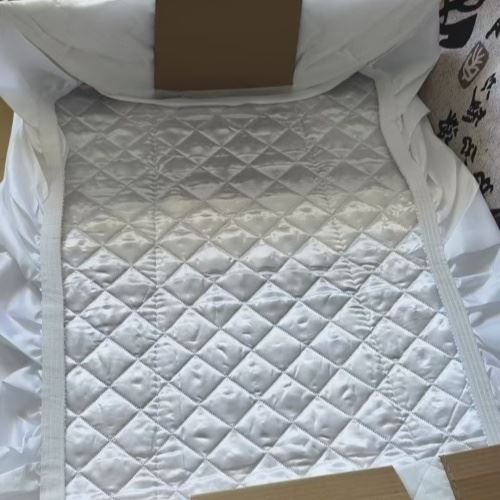

Why Choose Our Paperboard Covers?
Our paperboard covers are made with the highest quality standards. We use a combination of advanced manufacturing techniques and sustainable materials to create products that are not only functional but also environmentally friendly. Whether you need a small batch of custom - printed covers or a large order of standard designs, we've got you covered.
If you're in the market for paperboard covers, I'd love to talk to you about your specific needs. We can work together to find the best solution for your project, whether it's for product packaging, promotional materials, or something else entirely. Don't hesitate to reach out and start a conversation about your paperboard cover requirements. We're here to make sure you get the best products at the best prices.
References
- Smith, J. (2022). Paperboard Manufacturing Basics. Paper Industry Press.
- Johnson, A. (2021). Sustainable Practices in Paperboard Production. Green Publishing.


