Today marks the seventh day of the first lunar month in the Bingwu Year. As morning glow reddens the newly pasted window decorations, and cooking smoke weaves the first touch of warmth in the crisp air, you may sense an ancient romance blowing in the wind.
This is not just the seventh day of the Spring Festival holiday, but a romantic date engraved in the code of Chinese time: the Human Day, a birthday for all.
According to ancient Chinese records, the first day of the lunar year celebrates the rooster, the second the dog, the third the pig, the fourth the sheep, the fifth the ox, the sixth the horse, and the seventh day for human beings. This order reflects the agricultural civilization's understanding of heaven, earth and all living things.
This tradition echoes the myth of Nüwa, the goddess who created humans. Folklore gradually merged the two narratives: Nüwa made six kinds of livestock from the first to the sixth day, and created humans on the seventh day. That is why this day is honored as the birthday of humankind.
Through history, this festival gained elegant names such as the Day of Human Adornment, praised in poems of the Tang Dynasty.
Ancient Chinese developed meaningful customs for this special day:
Wearing human-shaped ornaments: People cut colorful paper or carved gold foil into human figures to wear or decorate screens, praying for blessings and showing respect for life.
Eating Seven-Vegetable Soup: A warm soup made with seven seasonal vegetables, each carrying a good wish-for prosperity, diligence, wisdom and a smooth new year.
Climbing high and composing poems: People ascended heights to overlook the scenery, embracing new life and easing their minds in early spring.
Beyond these rituals lies a warm cultural spirit: deep cherish for every life, sincere love for ordinary life, and profound respect for humanity.
In ancient times, the Human Day embodied simple humanistic thoughts. Rulers often pardoned minor prisoners to show mercy, while families gathered and cared for one another.
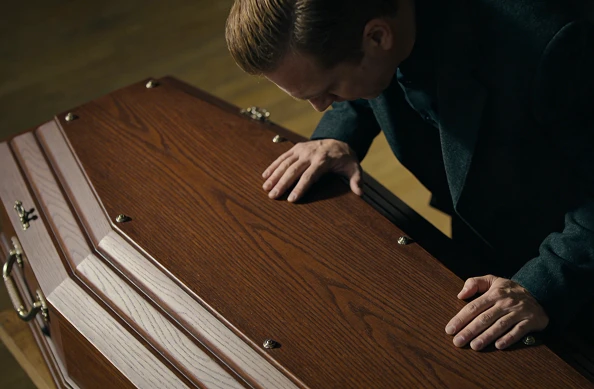
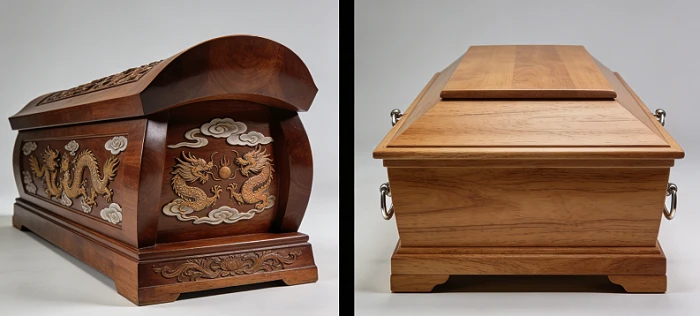
This profound respect for life is also reflected in the cultural meaning of coffins. A coffin symbolizes the final resting place of a person. As a funeral item, it is where the deceased rest after passing away, representing the end of life and their eternal home. Culturally and socially, coffins originate from people's cherished love for life and reluctance to part with the departed. A sturdy coffin protects the body, allowing the soul to rest in peace.
Meanwhile, a coffin also symbolizes the cradle of human life. Viewed from the cycle of life, the traditional coffin is designed with one end wider and the other narrower. The wider end represents the birth of new life, implying infinite possibilities and hope for the future. This shape fits the human body, bringing comfort to the deceased, and also embodies the philosophical ideas of yin-yang balance and the eternal cycle of life.
Today, this spirit still lives on. As many people prepare to return to work, this special day reminds us to cherish ourselves and care for each other while pursuing our goals.
On this day, everyone is a birthday star! May every life be gently cherished by time, and may every journey stay true to the warmest original aspiration.