Quality standard about the Grade A/B/C pine FJ wood boards
There is no unified international mandatory standard for the quality grading of pine finger-jointed (FJ) wood boards yet, but the industry has formed relatively consistent specifications based on appearance, processing quality, and performance.
Below are the common quality standards for Grade A, B, and C pine FJ wood boards, which integrate domestic and foreign industry practices and merchant universal norms:
| Quality Indicator | Grade A | Grade B | Grade C |
|---|---|---|---|
| Surface Defects | Double-sided no knots (including black knots, dead knots), no tree core, no material shortage. Only 1 - 2 slight and non - dense mineral lines or oil lines are allowed, and oil pockets should be within 10mm. There are no pinholes basically, or no more than 3 pinholes on a single side. | The front side is basically free of knots, tree cores and material shortage; the back side can have knots and tree core materials. Minor color difference and slight blue stain are acceptable, and small defects can be repaired. | Both sides can have tree cores and knots. Live knots within 10mm that match the board color are allowed. Defects such as blue stain, oil pockets and slight cracks can exist but must be repaired properly. |
| Color and Texture | The color of both sides is basically consistent, with no obvious color difference, and the texture is uniform and neat. | The color of the front side is uniform, while the back side can have slight color difference due to knots and tree cores, and the overall texture is relatively neat. | Color difference on both sides is acceptable, and uneven texture is allowed. Discoloration and mineral streaks are permitted, which do not affect the basic use. |
| Moisture Content | Strictly controlled below 12%, generally maintained between 8% - 12%, ensuring that the board is not easy to warp or crack during use. | Same as Grade A, the moisture content shall not exceed 12%, which meets the basic drying requirements of wood panels. | Consistent with Grade A and B, the moisture content is no higher than 12% to avoid problems such as mold caused by excessive moisture. |
| Processing Quality | Both sides are sanded smoothly without sand waves. The thickness meets the specified requirements, and only a tiny positive and negative error within the allowable range is permitted. The finger joints and seams are tight, with no degumming or cracking. | The front side is sanded smoothly, and the thickness meets the standard. The finger joints and seams have no degumming or cracking, and there is no strict requirement for sanding on the back side. | The thickness meets the basic standard. Sanding may have slight unevenness but does not affect the installation and use. Finger joints and seams are free of degumming and cracking; slight gaps that do not affect structural stability are acceptable. |
| Applicable Scenarios | High - end furniture production, interior decoration surfaces (such as wall panels, wardrobe door panels) and other occasions with high requirements for appearance and quality. | Ordinary furniture manufacturing (such as the back of cabinets, internal partitions), decoration auxiliary parts and other places where the appearance of the back side is not visible. | Auxiliary materials for construction, packaging materials, bottom plates of low - end furniture and other scenarios that only focus on the basic structural function and have no requirements for appearance. |
In addition, some supplementary notes need to be emphasized:
When some manufacturers mark combined grades like AA, AB, and CC, they refer to the combination of the two sides of the board.
For example, AA means both sides are Grade A, and AB means the front side is Grade A and the back side is Grade B.
For pine FJ wood boards used in special scenarios (such as load - bearing parts), in addition to the above appearance and processing standards, structural performance indicators also need to be met. Relevant standards can refer to the regulations of institutions such as the Western Wood Products Association (WWPA).
For export - oriented products, if they are supplied to the European and American markets, they may need to be adjusted appropriately according to regional norms such as the European standard SS - EN 1611 - 1, but the above - mentioned grading criteria are still the core reference basis.
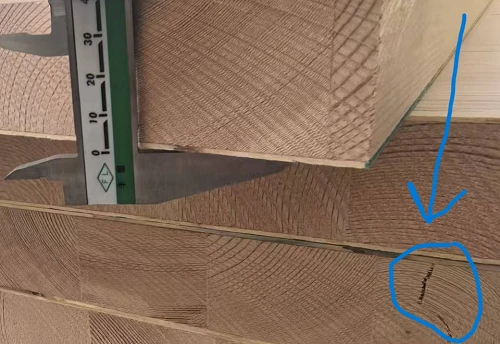
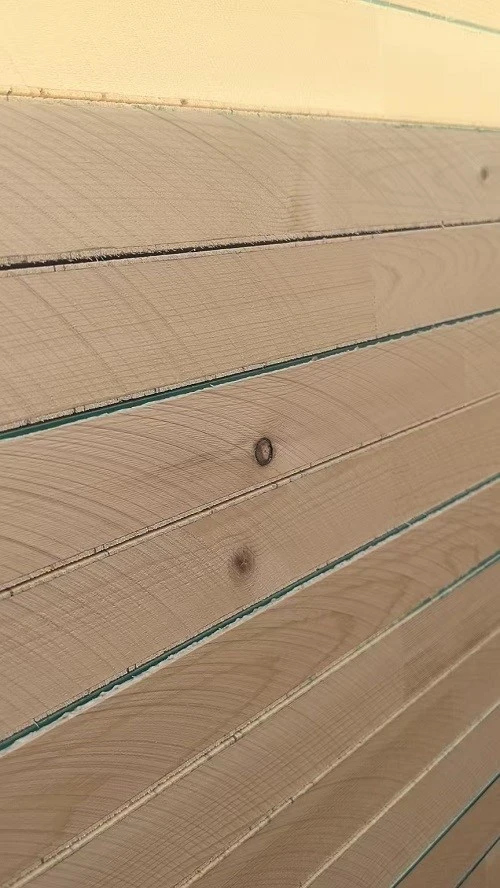
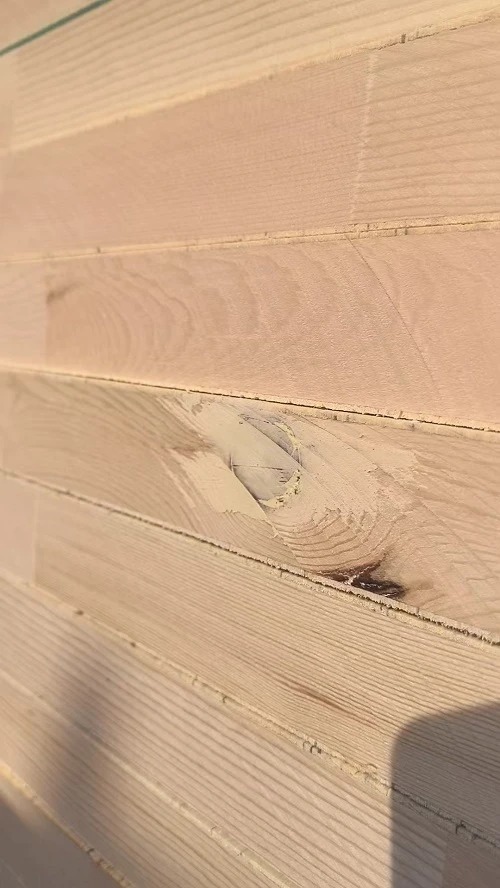
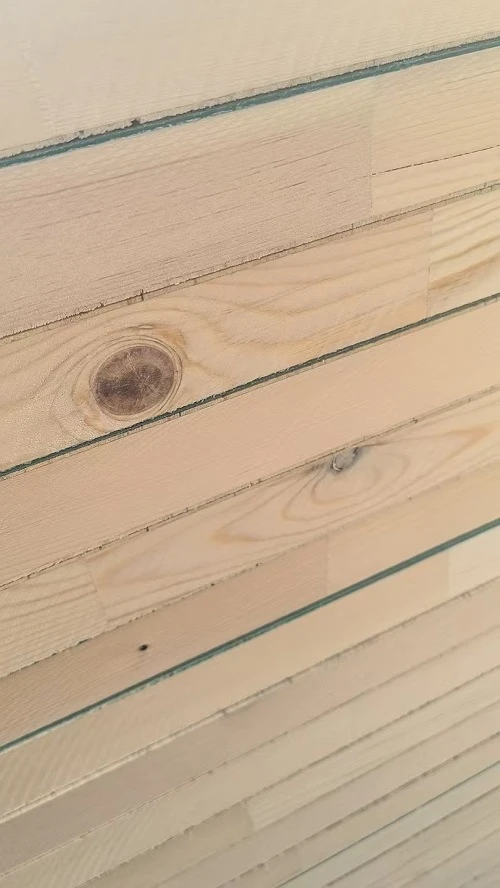
Below are photos for some common quality issues.